
Minimally Invasive Lumbar Fusion
A fusion procedure performed through small incisions to stabilise a spinal segment — used when degeneration, instability, or spondylolisthesis requires permanent fixation of one or more levels.
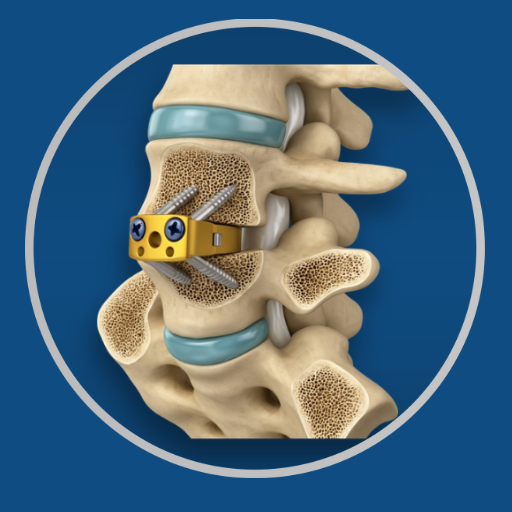
Overview
Minimally invasive lumbar fusion (MIS fusion) achieves the same clinical goal as open fusion surgery — stabilisation of a mobile or painful spinal segment — through smaller incisions and with significantly less disruption to the surrounding muscles. The traditional open approach requires stripping the paraspinal muscles away from the spine over a considerable length; the minimally invasive approach uses tubular retractors that dilate rather than cut the muscle, preserving its attachment and reducing post-operative pain, blood loss, and recovery time.
Before Surgery
Pre-operative assessment includes MRI and standing X-rays to confirm the level and extent of the pathology, medical clearance, and blood tests. Patients on blood thinners will be given specific instructions about when to stop medication before surgery. Arrangements for home support in the first weeks after discharge should be made before admission.
During Surgery
The procedure is performed under general anaesthesia. Small incisions (typically 2–3 cm) are made on either side of the midline. Tubular retractors are placed to access the spine without detaching the paraspinal muscles. The disc is removed, a structural cage is inserted to restore height and promote fusion, and pedicle screws are placed through the same small incisions to stabilise the segment. The Medtronic StealthStation navigation system guides screw placement with real-time three-dimensional imaging. Duration is typically 2–3 hours per level.
After Surgery
Most patients are mobile within 24 hours. Hospital stay is typically 3–4 days. Pain is managed with a combination of medications. Wound care instructions are provided on discharge.
Recovery
Return to light activity within 4–6 weeks. Desk work within 6–8 weeks. Physiotherapy begins at 4–6 weeks and progresses over 3–6 months. The fusion requires 6–12 months to consolidate. Return to physical activity is guided by clinical and imaging progress. Full recovery from single-level minimally invasive fusion is typically achievable within 4–6 months.
Dr. Viswanath's Approach
The Medtronic StealthStation navigation system is used for all pedicle screw placement in MIS fusion procedures, ensuring accuracy that is particularly important when working through limited exposure. The minimally invasive approach is selected based on the clinical picture — it is appropriate for single or two-level disease without severe deformity and is associated with reduced blood loss and a faster return to function compared to open fusion.
Medical Disclaimer: This information is provided for educational purposes only and does not constitute medical advice.