
Discectomy
Removal of part or all of a damaged intervertebral disc that is compressing neural structures — the foundational decompression procedure for symptomatic disc herniation.
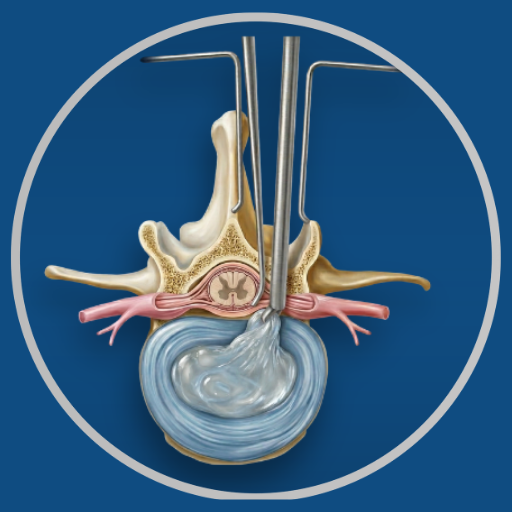
Overview
Discectomy refers to the surgical removal of disc material that is compressing a nerve root or the spinal cord. It encompasses a range of techniques — from open discectomy performed through a standard posterior incision, to microdiscectomy using magnification and a minimally invasive approach, to endoscopic discectomy through a sub-centimetre incision. The procedure removes the herniated fragment directly, relieving nerve root pressure. The choice of technique is based on the location and character of the herniation, the patient’s anatomy, and prior surgical history.
Before Surgery
MRI confirming the disc herniation, its level, and its relationship to the affected nerve root. Clinical correlation to confirm the imaging matches the patient’s symptoms. Medical clearance. Informed discussion of technique selection.
During Surgery
The approach, positioning, and duration depend on the technique selected. For standard posterior microdiscectomy: prone positioning, small midline incision, microsurgical removal of the herniated fragment under magnification. For endoscopic discectomy: lateral or posterior approach through a sub-centimetre incision with endoscopic visualisation. The herniated disc fragment is identified and removed. The nerve root is confirmed to be mobile and decompressed before closure.
After Surgery
For microdiscectomy: hospital stay 1–2 days, mobilisation within hours. For endoscopic discectomy: same-day or overnight discharge is possible. Leg or arm pain relief is typically experienced rapidly.
Recovery
Return to desk work 3–6 weeks. Return to physical activity 6–12 weeks. Physiotherapy begins 2–4 weeks post-operatively. Nerve recovery — for numbness and tingling — continues for weeks to months.
Dr. Viswanath's Approach
The technique is selected based on the clinical indication, not on preference for a particular approach. For straightforward lumbar disc herniations, minimally invasive microdiscectomy is the standard. For cases where anatomy is complex, prior surgery has altered the normal landmarks, or the herniation is in an unusual location, the approach is adjusted accordingly. The goal is reliable, complete decompression — achieved with the smallest necessary intervention.
Medical Disclaimer: This information is provided for educational purposes only and does not constitute medical advice.